Recessed Latches supplier
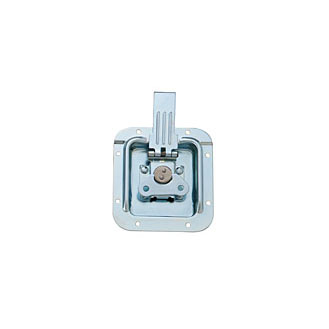 Recessed Latches supplier
Title: Finding a Reliable Recessed Latches Supplier: Key Considerations
Introduction: When seeking a reliable source for recessed latches, it's essential to partner with a supplier that not only offers quality products but also meets your specific needs. Recessed latches play a crucial role in various applications, from cabinets to industrial equipment, and finding the right supplier ensures the functionality and durability of your projects. In this article, we will explore the key considerations to keep in mind when searching for a reputable recessed latches supplier using the keyword "Recessed Latches supplier."
Recessed Latches Supplier for Case and Panel Hardware
Choosing a recessed latches supplier starts with matching the hardware to the available installation space. Cutout dimensions, recess depth, panel thickness and mating-component position all influence whether a proposed latch can be installed correctly.
Youn Shuay Industrial Co., Ltd. presents recessed latches alongside draw latches, twist latches and related case hardware. Buyers can submit drawings, photographs and purchasing requirements to discuss a proposed product.
Explore our recessed latch product information or contact Youn Shuay with your application and required quantity.
What Are Recessed Latches?
Recessed latches position part of the closure assembly within a pocket or opening in the mounting panel. This arrangement can reduce external projection compared with some surface-mounted alternatives.
The exact profile depends on the product. A recessed latch is not necessarily completely flush with the surrounding surface, particularly when its actuator is open.
“Recessed” describes the mounting format rather than one specific mechanism. Buyers should separately confirm how the latch engages, releases and connects with its mating component.
What to Confirm with a Recessed Latches Supplier
A useful quotation identifies the proposed model and defines the complete supply scope.
Ask for dimensional information and confirm which components are included. Depending on the design, the order may require a separate keeper, catch, mounting plate or other mating part.
Also establish the material, finish, purchasing unit and packaging quantity. A photograph showing several parts does not necessarily mean they are all included in the quoted price.
Resolve these details before ordering samples or preparing production cutouts.
Check Cutout Dimensions Before Selecting a Model
The external mounting flange and the required panel opening are different measurements.
Request the cutout drawing for the proposed product. Review opening length and width, corner geometry, mounting-hole positions and any tolerances needed for installation.
For replacement projects, measure the existing opening rather than relying only on the visible faceplate. Include photographs from the front and rear.
A replacement with a similar faceplate may require a different cutout or mounting pattern. Confirm compatibility before modifying the panel or purchasing a volume quantity.
Confirm Installation Depth and Internal Clearance
A recessed assembly occupies space behind the mounting surface.
Check the depth of the housing and allow for the full movement of the retaining mechanism. Internal lining, reinforcement, stored equipment or adjacent components may restrict installation.
Where the latch crosses or sits near a case joint, provide a section drawing showing the relationship between the lid and body.
Evaluate the hardware in both engaged and released positions. Adequate clearance in the closed position does not establish that the mechanism can operate freely.
Match the Latch to the Panel Construction
The mounting arrangement should suit the panel material and thickness.
For sheet-metal panels, review local stiffness, edge distances and access for fastening. For plywood or composite case panels, consider the structure around the cutout and the proposed fastening method.
Do not assume that the flange alone provides sufficient support for every application. Any backing plate or reinforcement should be defined by the assembly design.
Confirm fastener requirements separately, including whether mounting hardware is supplied.
Define the Closure and Locking Functions
Identify what the latch must do before comparing models.
A project may require simple retention, a drawing action between case sections or an additional locking feature. These functions should be specified individually.
Not every recessed latch includes a key lock, padlock provision, adjustment or secondary catch. Confirm the actual features of the proposed configuration.
Where a different operating mechanism is being considered, review our twist latch information and draw latch range.
Request Material and Finish Information
Describe the conditions in which the hardware will be used, including humidity, outdoor exposure, cleaning chemicals and frequent handling.
Ask for product-specific material and finish details. The housing, actuator, retaining element and keeper may use different materials.
For visible hardware, compare a representative finish sample with the surrounding case or panel. Confirm appearance requirements separately from environmental performance.
If your purchasing process requires material declarations or test documentation, identify those requirements before order confirmation.
Compare Complete Quotations
Compare quotations against the same product configuration, quantity and supply scope.
Check whether the price includes the mating parts, mounting hardware and required packaging. Identify any separate sample, tooling, inspection or special-labeling charges.
For replacement work, also consider installation changes. A different cutout or keeper position may affect panel preparation and assembly time.
Confirm quotation currency, validity, payment requirements and delivery arrangements before approving the purchase.
Confirm Availability, Minimum Quantities and Timing
Ask about availability for the exact model, finish and quantity you require.
A product listed on a website should not automatically be treated as available for immediate shipment. Confirm whether the order requires production and ask for an estimated dispatch date.
Establish when the lead time begins and whether specification confirmation, payment or sample approval must be completed first.
Provide your required receipt date early. Production, transport and destination handling are separate stages that should be considered when planning assembly schedules.
Evaluate a Sample Before Preparing Production Panels
A representative sample can help confirm the cutout, mounting arrangement and operating space.
Install the proposed hardware using the intended panel construction, mating part and fasteners. Check flange seating, complete engagement, release and access to the actuator.
If the sample differs from the intended production configuration, record those differences before approval.
Retain the approved model reference, drawing revision, material, finish and included components. These details provide a clearer basis for the production order.
Agree on Packaging and Shipment Identification
Recessed housings and separate mating parts should be packed so they can be identified and handled correctly.
Discuss protection against finish damage and confirm how loose parts will be separated or grouped. For mixed-model orders, request clear item separation.
Agree on pack quantities and any required labels, such as the supplier model, buyer part number and purchase-order reference.
For international delivery, the International Chamber of Commerce’s Incoterms® rules ↗ provide an authoritative reference for allocating delivery tasks, costs and risks between buyers and sellers.
Record the agreed rule, named place and applicable version. Confirm product specifications and payment requirements separately.
Maintain Clear References for Repeat Purchasing
Use the approved model and drawing revision on repeat orders.
Record any required keeper, finish and packaging configuration so a later purchase can be checked against the same reference.
If an alternative model is proposed, review the cutout, installation depth and engagement geometry before acceptance. Similar external dimensions do not guarantee interchangeability.
Discuss how proposed product changes will be communicated, particularly when existing panel tooling depends on an established cutout.
Frequently Asked Questions About Recessed Latches Suppliers
What should I look for in a recessed latches supplier?
Look for clear product identification, dimensional information, complete supply details and confirmed purchasing terms. Evaluate the proposed hardware against your actual panel and case construction.
Are recessed latches completely flush?
Not always. The housing may sit within the panel while the flange or actuator still projects. Review the drawing and sample in both operating positions.
What dimensions should I provide for an inquiry?
Include the cutout, mounting-hole pattern, panel thickness, available rear depth and mating-component position. Add photographs for replacement projects.
Can I replace a recessed latch without changing the opening?
Possibly, but compatibility must be checked. Compare the required cutout, flange coverage, fastening positions and engagement geometry.
Are keepers and mounting fasteners included?
This depends on the quoted configuration. Confirm each included component and whether the purchasing unit is a latch body or complete assembly.
Does every recessed latch include a lock?
No. State whether you need key locking, a padlock provision or mechanical closure only, then confirm the available product features.
Can I request samples from Youn Shuay?
Contact Youn Shuay to confirm sample availability, specification, charges and delivery arrangements.
What is the minimum order quantity?
Minimum quantities must be confirmed for the selected model, finish and purchasing arrangement. Ask separately about sample and production orders.
Can a recessed latch be used outdoors?
Suitability depends on the specific materials, finish, mechanism and exposure conditions. Describe the environment and request relevant product information.
What should I do if the delivered parts do not match the order?
Record the model references, affected quantities and packaging labels. Provide photographs and a clear description of the difference, then contact the supplier to agree on the review process.
Recessed Latch Installation Information
| Installation detail | Information to provide | Purpose |
|---|---|---|
| Cutout | Opening dimensions and corner geometry | Checks housing fit |
| Mounting flange | Available seating area | Confirms panel coverage |
| Hole pattern | Diameters and center distances | Defines fastening positions |
| Panel thickness | Actual mounting construction | Supports attachment review |
| Rear depth | Available space behind the panel | Checks housing clearance |
| Mating geometry | Keeper position and surface offset | Establishes engagement |
| Operating space | Clearance through opening and release | Prevents interference |
Recessed Latches Supplier RFQ Checklist
| Inquiry item | Details to include |
|---|---|
| Application | Case, box, cabinet or removable panel |
| Product reference | Model, drawing or photographs |
| Installation | Cutout, panel thickness and available depth |
| Required mechanism | Retention, drawing action or locking |
| Supplied components | Latch, mating parts and mounting hardware |
| Material and finish | Required specification or exposure conditions |
| Quantities | Samples, initial order and expected repeat demand |
| Documentation | Drawings, declarations or reports required |
| Delivery | Destination and required receipt date |
Quotation Comparison Checklist
| Item | What to confirm |
|---|---|
| Product configuration | Same model, mechanism and finish |
| Purchasing unit | Individual latch or complete assembly |
| Mating parts | Included or separately ordered |
| Fasteners | Included or specified separately |
| Price basis | Currency and applicable quantity |
| Additional costs | Samples, tooling or special packaging |
| Availability | Stock supply or production requirement |
| Lead time | Starting condition and dispatch estimate |
| Delivery terms | Agreed rule, named place and version |
| Payment | Payment schedule and quotation validity |
Sample Approval and Receiving Checks
| Stage | Review | Record to retain |
|---|---|---|
| Drawing confirmation | Cutout and installation dimensions | Agreed drawing revision |
| Sample installation | Housing fit and flange seating | Photographs and observations |
| Functional evaluation | Engagement, release and clearance | Evaluation notes |
| Product approval | Material, finish and included parts | Approved specification |
| Order confirmation | Quantity, packaging and schedule | Accepted purchase documents |
| Incoming inspection | Conformity with the agreed order | Receiving record |
Contact Youn Shuay for Recessed Latch Supply
Choosing a recessed latches supplier begins with accurate installation dimensions and a clear purchasing requirement.
Send Youn Shuay Industrial Co., Ltd. your drawing, photographs, required quantity and destination to discuss product selection, samples and quotation details.