Heavy Duty Twist Latch
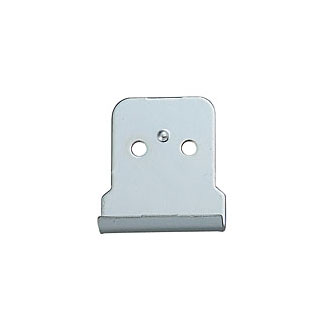 Heavy Duty Twist Latch
In the world of industrial and commercial applications, securing equipment and ensuring safety are paramount concerns. One crucial component that plays a significant role in achieving these goals is the "Heavy Duty Twist Latch." This article aims to provide a comprehensive overview of this innovative latch system, highlighting its features, applications, and the benefits it offers to various industries.
Heavy Duty Twist Latch Selection for Demanding Closure Applications
A heavy duty twist latch should be selected according to the forces, operating conditions and installation requirements of the complete assembly. The description “heavy duty” does not establish a universal load rating, vibration classification or service life.
For equipment cases, storage boxes and access covers, buyers should review the latch mechanism together with its mating component, fasteners and supporting structure.
Youn Shuay Industrial Co., Ltd. presents twist latches and related case hardware. Send your application drawing and performance requirements to discuss the proposed product and the information available for evaluation.
Explore our twist latch product information or contact Youn Shuay.
What Does Heavy Duty Mean for a Twist Latch?
In practical purchasing, “heavy duty” describes an expectation of suitability for more demanding use. That expectation must be translated into measurable requirements.
A project may involve higher separating forces, frequent opening, repeated handling impacts or exposure to vibration. Another may require a larger mounting footprint or a more rigid supporting panel.
These conditions are different. A latch that performs well under a static test may still require separate evaluation for repeated loading or vibration.
Specify the actual duty rather than relying on the product category alone.
Define the Loads Acting on the Closure
Start by identifying the forces that tend to open the lid or panel.
Consider their direction, duration and frequency. Include gasket resistance, internal pressure where relevant, handling impacts and any equipment movement that affects the closure.
The weight of the contents alone is not enough to determine the required latch capacity. The enclosure geometry, hinges and loading conditions influence how forces reach the latch.
Where several latches are fitted, do not assume equal load sharing. Panel flexibility, mounting tolerances and engagement differences can concentrate force at individual locations.
Understand Load Ratings Before Comparing Products
Ask what each stated value means and how it was established.
An allowable working load, a proof-test load and an ultimate failure load describe different conditions. Operating effort is another separate characteristic.
Review the loading direction, mating component, fasteners and mounting structure used during evaluation. A result obtained with a rigid fixture may not describe the behavior of a thin case panel.
If the application requires a design margin, have the responsible designer establish it using appropriate requirements and product-specific evidence. Avoid applying an arbitrary multiplier to an undefined rating.
Review the Complete Load Path
Closure performance depends on every component carrying the applied force.
Review the retaining element, keeper or catch, mounting plate, fasteners and panel structure. A stronger latch cannot compensate for a weak attachment point.
Check fastener spacing, access for tightening and any reinforcement specified by the assembly design. Inspect whether panel edges or mounting holes deform during evaluation.
If deformation occurs, investigate its cause before increasing closing tension or selecting a larger latch.
Confirm Engagement and Mounting Geometry
A heavy duty twist latch must engage correctly before its performance can be assessed.
Provide mounting dimensions, panel thickness, mating-surface offset and engagement depth. Include cutout details for recessed installations.
Check that the retaining element reaches its intended position without partial contact or interference. Confirm full release before the panel is opened.
For component and measurement guidance, visit our Hardware Twist Latch page.
Evaluate Vibration and Shock Separately
Vibration and impact can affect an assembly differently from a steady load.
For moving equipment or transport cases, define the relevant conditions and evaluate the installed closure accordingly. Check for actuator movement, changing engagement, loose fasteners and panel damage.
Ask whether the proposed model includes a detent, secondary catch or another retention feature. Availability and suitability should be confirmed individually.
For broader operating considerations, see our Industrial Twist Latch page.
Separate Retention from Access Control
A latch may resist separating forces without restricting who can operate it.
If the application requires a key lock or padlock provision, state that requirement separately. Likewise, a key-operated feature does not automatically establish resistance to vibration or forced entry.
Define whether you need mechanical retention, access control or both. Confirm the actual features and any supporting performance information for the selected configuration.
Our Twist Lock Latch page explains these distinctions in more detail.
Consider Repeated Operation and Wear
A demanding application may involve frequent use rather than unusually high loads.
Evaluate the actuator, pivots, retaining surfaces and mating component through an agreed operating cycle. Include the intended installation and loading conditions where relevant.
Look for changes in operating effort, looseness, incomplete engagement or visible damage. Define acceptable behavior before the evaluation begins.
A cycle count without its test conditions is incomplete information. Review what was operated, under which conditions and against which acceptance criteria.
Match Material and Finish to the Exposure
Describe the expected environment, including humidity, cleaning chemicals, outdoor storage, salt exposure and temperature.
Request material and finish information for the specific product. Different components may use different materials, and appearance alone does not establish corrosion resistance.
If environmental testing or material documentation is required, identify the requirement before purchasing. Confirm whether the available evidence covers the proposed model and finish.
Follow product-specific maintenance instructions rather than assuming every mechanism uses the same lubricant or cleaning method.
Evaluate Gasket Compression and Enclosure Protection
For a gasketed cover, confirm whether the mechanism provides the required drawing or compression action.
Review the gasket, frame alignment, panel stiffness and latch positions together. Increasing force at one location may distort the cover without producing consistent sealing contact.
For electrical enclosures, IEC 60529 — Degrees of Protection Provided by Enclosures ↗ provides the classification framework for IP protection.
A heavy duty twist latch alone does not establish an enclosure’s IP rating. Any required protection should be verified for the complete enclosure configuration.
Approve a Representative Assembly Before Volume Purchasing
Discuss sample availability and install the proposed latch with the intended mating component, fasteners and supporting panel.
First confirm fit and normal operation. Then carry out the application-specific evaluation using agreed conditions and acceptance criteria.
Record the model, drawing revision, material, finish, installation and supplied components. Identify any differences between the sample and the intended production configuration.
For quotations, sample arrangements and delivery requirements, visit our Twist Latch Supplier page.
Frequently Asked Questions About Heavy Duty Twist Latches
What is a heavy duty twist latch?
It is a twist-operated closure considered for demanding use. Suitability should be established through product-specific information and evaluation of the complete installation.
How much load can a heavy duty twist latch hold?
There is no universal value. Request the rating for the selected model, its definition and the conditions under which it was established.
Can I select a latch based on the weight of the contents?
Not by weight alone. Loading direction, case geometry, hinges, impacts and mounting strength all affect the forces acting on the closure.
Do multiple latches divide the load equally?
Not necessarily. Panel flexibility, tolerances and engagement differences can affect load distribution.
Is a larger latch always stronger?
Size alone is insufficient. Material, geometry, mating parts and attachment strength also influence performance.
Are heavy duty twist latches vibration-resistant?
This requires model-specific assessment. Evaluate the installed assembly under relevant conditions and confirm any secondary retention feature.
Does heavy duty mean the latch includes a lock?
No. Load retention and access control are different functions. Confirm locking requirements separately.
Can a heavy duty twist latch compress a gasket?
Some mechanisms provide a drawing or compression action. Confirm the function and evaluate it with the intended gasket and enclosure.
Can the latch be used as lifting hardware?
Do not assume this. A closure latch should only perform a lifting function where it has been specifically designed and rated for that purpose.
How can I request product evaluation from Youn Shuay?
Send your drawing, load requirements, operating conditions, quantity and destination. Ask about the proposed model, available documentation and sample arrangements.
Heavy Duty Application Requirements
| Requirement | Details to define | Evaluation purpose |
|---|---|---|
| Static loading | Force direction and duration | Assesses sustained retention |
| Repeated loading | Magnitude and frequency | Defines fatigue-related evaluation needs |
| Handling impacts | Relevant movement and contact conditions | Assesses transient loading |
| Vibration | Expected operating conditions | Checks engagement and mounting stability |
| Opening frequency | Expected access pattern | Supports wear evaluation |
| Environment | Moisture, chemicals and temperature | Guides material and finish review |
| Gasket resistance | Seal arrangement and required closing action | Supports closure assessment |
Performance Information to Request
| Information | What to confirm |
|---|---|
| Working load | Definition and applicable limitations |
| Proof-test result | Applied load and acceptance criteria |
| Ultimate failure result | Test arrangement and failure mode |
| Operating effort | Measurement method and conditions |
| Cycle evaluation | Installation, loading and acceptance criteria |
| Vibration or shock evaluation | Conditions and tested assembly |
| Material and finish | Specifications for relevant components |
Complete Assembly Inspection Checklist
| Component | What to inspect | Possible concern |
|---|---|---|
| Retaining element | Engagement and visible condition | Partial contact or deformation |
| Keeper or catch | Alignment and mounting | Movement or concentrated contact |
| Mounting plate | Flatness and stability | Bending around attachment points |
| Fasteners | Correct installation and condition | Loosening or damage |
| Supporting panel | Local stiffness and hole condition | Flexing or tearing |
| Actuator | Full movement and retention | Interference or unintended movement |
| Gasket, where fitted | Contact around the perimeter | Uneven compression |
Heavy Duty Twist Latch RFQ Checklist
| RFQ item | Information to provide |
|---|---|
| Application | Equipment case, storage box, cover or panel |
| Technical reference | Drawing, model or photographs |
| Installation | Panel thickness, mating geometry and fasteners |
| Loads | Direction, magnitude and operating pattern where known |
| Movement | Shock, vibration and transport conditions |
| Required features | Locking, secondary retention or compression |
| Verification | Required reports or acceptance criteria |
| Purchasing | Samples, quantities and delivery destination |
Contact Youn Shuay About Heavy Duty Twist Latch Requirements
A suitable heavy duty twist latch should match the loads, installation and operating conditions of the complete assembly.
Send Youn Shuay Industrial Co., Ltd. your application details and drawings to discuss the proposed hardware and the information needed for evaluation.